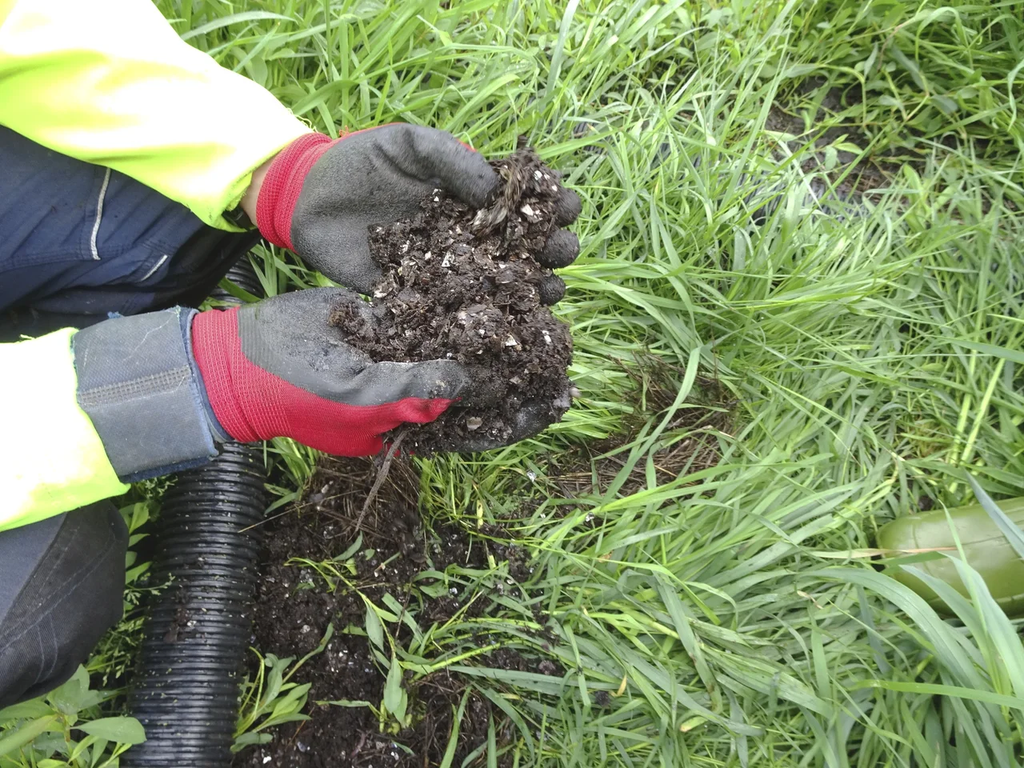
Over the past few months, NUTRITIVE has featured in agricultural and livestock media, bringing the project’s work closer to farmers, advisers and industry professionals. These publications explore how innovative manure management strategies can help reduce environmental impacts, improve nutrient use and create opportunities for livestock farms.
From evaluating treatment technologies to exploring the potential of manure as a resource, the articles present complementary perspectives on the project. They also highlight the importance of adapting solutions to the needs of individual farms and providing practical information to support decision-making. Discover the publications below.
Oviespaña – Solutions for waste management in the livestock sector
Written by Miguel Ángel Leal and Pablo López from AINIA, this article introduces NUTRITIVE’s approach to evaluating manure management technologies and strategies. It explores the project’s work on reducing emissions and contaminants, recovering valuable resources and developing a decision-support tool to help farms identify suitable management options.
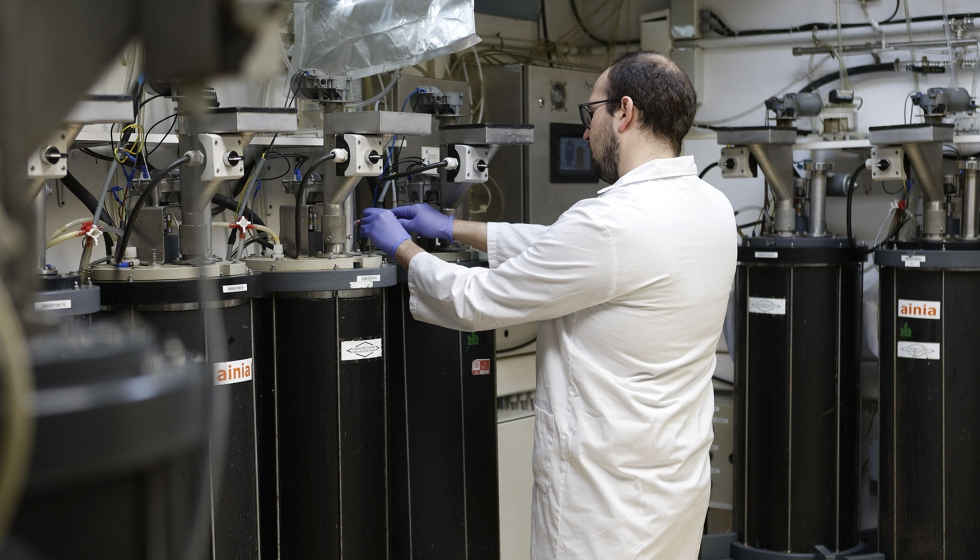
Campo Galego – Turning livestock manure into opportunities for farms
Contributed by researchers from USC’s CRETUS and MEDRAR, this article focuses on the potential benefits of manure valorisation for livestock farms. It presents approaches being explored within NUTRITIVE, including feeding adjustments, biochar use and the recovery of resources from liquid and solid fractions, highlighting opportunities to improve nutrient efficiency and support more circular farming practices.
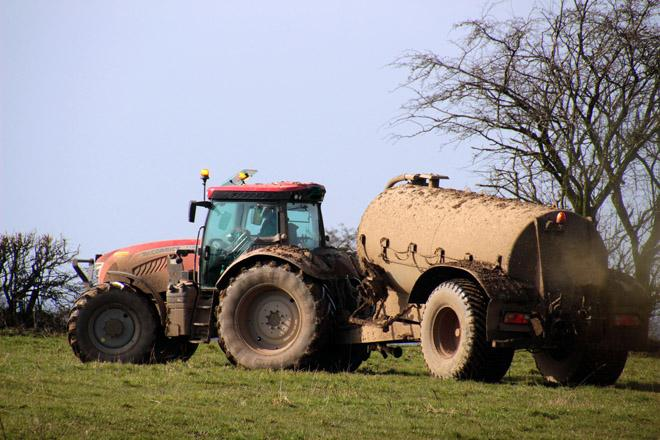
Vaca Pinta — The legal framework for manure management in Galicia
Written by C. López López, M. D. Báez Bernal and J. F. Castro Insua from CIAM–AGACAL, this article examines the legal framework for manure management in Galicia within the NUTRITIVE project. It explores the shift towards recognising manure as a strategic resource, highlighting the importance of fertilisation planning, digital management and integrated nutrient management to reduce emissions and protect water resources.
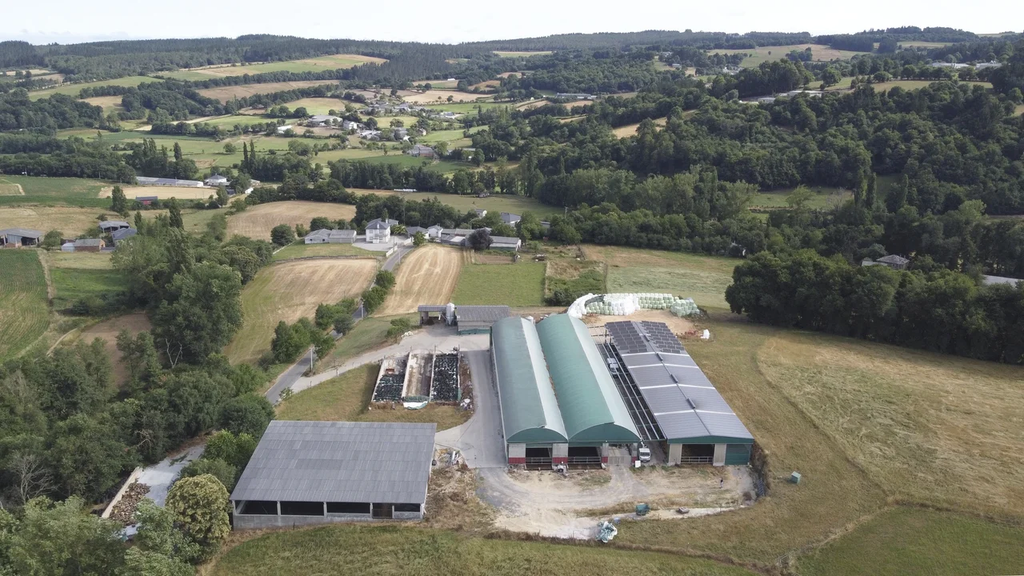
Vaca Pinta – Mussel shells, earthworms and wetlands to reduce heavy metals in slurry
Also published in issue 62, this article by María Dolores Báez Bernal and Carlos López López from CIAM–AGACAL explores a biological treatment for pig slurry in Galicia. The three-stage system combines mussel shells, earthworms and constructed wetlands, with reported removal rates of around 90% for zinc and copper, illustrating an approach to reducing heavy metal pollution from livestock manure.